
The Kya Project supports conservation efforts protecting parrots in their native ecosystems and shares that knowledge to improve how we care for them everywhere. 20% of all memberships go to support conservation and rescue organizations.
The behaviors we see in companion parrots come from survival strategies shaped in complex environments. Understanding those environments helps explain both why wild populations struggle and why captive care requires more than basic housing.When we understand those patterns, we create healthier lives for parrots living with people.
Conservation protects the species. Good husbandry protects the individual.
Both depend on informed humans.


We actively follow current peer-reviewed research on parrots on things like behavior, cognition, welfare, nesting ecology, and population monitoring, and translate it into practical guidance for everyday care.
Field research explains:

Diet composition and seasonal feeding patterns
Social dynamics and flock structure
Foraging and activity needs
Daily rhythm and environmental complexity
How climate shifts alter food availability and breeding timing
Which nesting habitats need protection and restoration
And more!
That information shapes how we design enrichment, structure routines, and interpret behavior at home.
Better husbandry begins with accurate biology, and informed care contributes to protecting the species and the environments they depend on.
Protecting parrots doesn’t stop at care; it extends to how we live on the same planet they depend on.
Many conservation problems begin long before field intervention.When people understand lifespan, behavior, and ecological roles, decisions change — fewer impulse acquisitions, better long-term care, and greater respect for wild populations.
Education reduces pressure at the source.We actively follow current peer-reviewed research on parrots on things like behavior, cognition, welfare, nesting ecology, and population monitoring, and translate it into practical guidance for everyday care.
Members receive:
Research explained in practical terms
Updates from conservation partners
Conversations with field experts
Educational resources
Context that links wild behavior to companion care
And more!
Knowledge creates empathy. Empathy changes behavior.
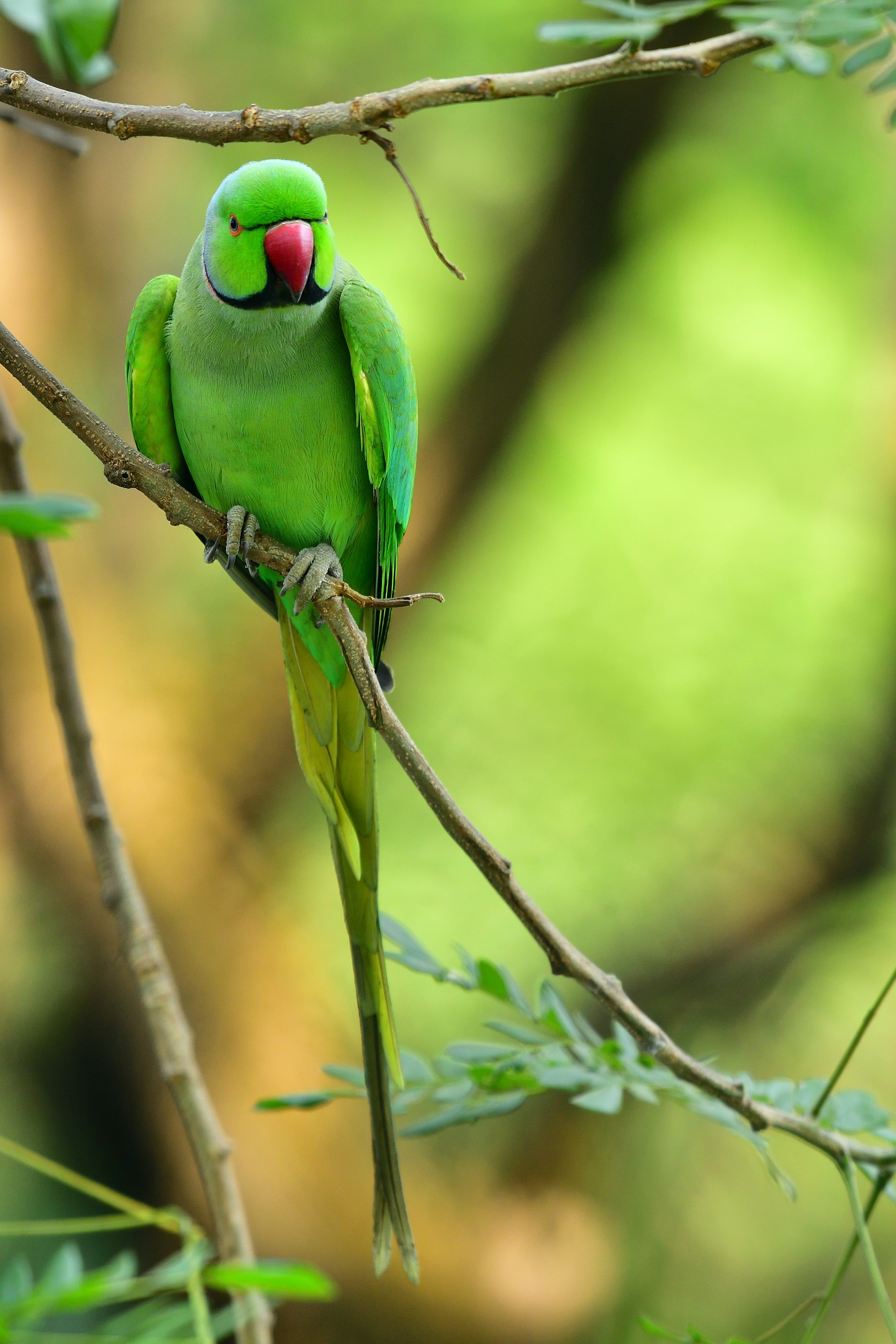
A portion of membership supports organizations working directly in native habitats. The goal is ongoing participation in real protection efforts.
Nest protection
Population monitoring
Habitat preservation
Local community education
Alternatives to wildlife trade



Copyright © The Kya Project
